Learn how to sew a narrow rolled hem (also called a pin hem) on silk, chiffon and other lightweight fabrics, without using a rolled hem foot.
In this step-by-step tutorial, I’ll show you exactly how to sew a rolled hem neatly for a professional finish.
This tutorial demonstrates the technique on cotton fabric, making it ideal if you are new to rolled hems. If you are working with silk, chiffon, or other very fine fabrics, I also have a specialist baby hem tutorial which covers additional tips for handling tricky lightweight materials.

A rolled hem is a very narrow hemming technique that neatly encloses all raw fabric edges inside the hem. It creates a fine, delicate finish and is ideal for lightweight to medium-weight fabrics, particularly sheer fabrics where a bulky hem would be distracting.
Because of its size and clean finish, the rolled hem is perfect for silks, sheers, lingerie, and occasion wear. It provides a professional result while remaining almost invisible from the right side of the garment.
Rolled hems are not well suited to heavier fabrics, as the thickness can quickly become bulky and difficult to control.
You can purchase a dedicated rolled hem foot for your sewing machine, however I personally find the rolled hem foot more troublesome to use than this method. With the technique below, you’ll achieve beautiful, professional results, and you won’t need to invest in another sewing machine foot.
A rolled hem is sometimes called a pin hem, particularly in couture sewing. The two terms refer to the same technique. You may also see it referred to as a narrow hem or a hand-rolled hem, though the hand-rolled version is a slightly different technique, completed by hand and used in couture dressmaking.
You can also watch the corresponding video tutorial on YouTube:
How To: Rolled Hem Tutorial
A rolled hem is the best choice when you are working with:
It is particularly useful for finishing curved hems, ruffles, scarves, neck ties, shirt hems, and the hems of full or circular skirts where a narrow finish is essential to prevent bulk.
Rolled hems are not well suited to heavier fabrics such as denim, canvas, or thick wool, as the thickness makes it difficult to achieve a neat, consistent fold.
A few simple preparations will make a significant difference to your results.
Needle: For cotton and medium-weight fabrics, a size 70/10 or 80/12 universal needle works well. If you are working with finer fabrics, switch to a microtex or sharp needle for a cleaner stitch.
Test first: Always test on a scrap of your actual fabric before sewing your garment. This allows you to check tension, stitch length, and needle choice before committing.
Tissue paper: If you are working with a very fine or slippery fabric, placing a small strip of tissue paper underneath the fabric as you sew will help stabilise it. Simply tear it away carefully once you have finished.
Pressing: Pressing at each stage is essential for a professional result. Do not skip the pressing steps.
Step 1: Sew a Guideline Stitch (optional)
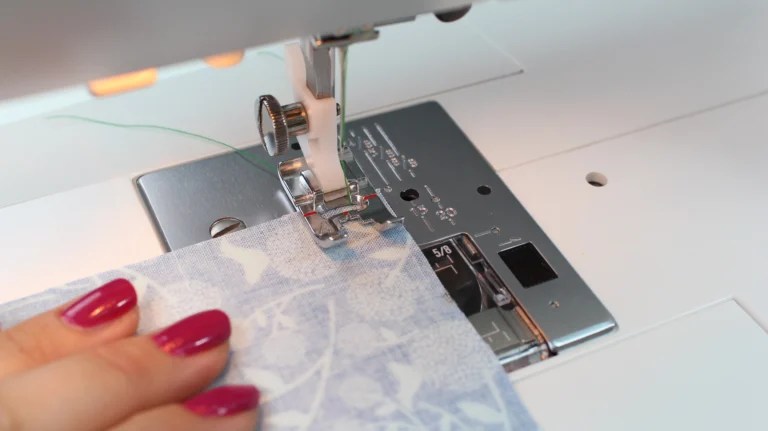
Begin by sewing a line of stitching along the hem edge of the garment. This stitch should sit 1/4” (5 mm) above the finished hem length.
If your hem allowance is 5/8” (1.5 cm), this means sewing 3/8” (1 cm) in from the raw edge.
Use a standard stitch length and backstitch at the beginning and end. When working with silk or very fine fabrics, you may prefer to use a smaller stitch length and tie off the threads instead. Always test on a fabric scrap first.
You can also place tissue paper / paper underneath the material whilst sewing, or simply for starting the stitch.
Step 2: Press the Stitching
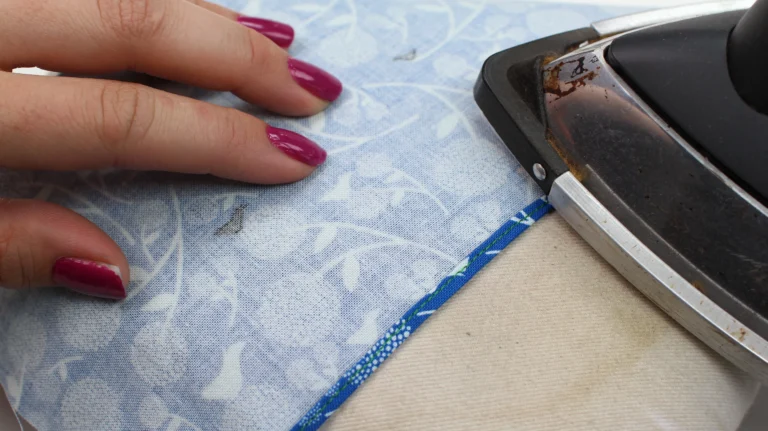
With the wrong side of the fabric facing up, press the stitching flat to meld the stitches into the fabric.
Then press the hem allowance up towards the wrong side of the garment so that the previous stitching line is visible, along with approximately 1/8” (3 mm) of fabric beyond it.
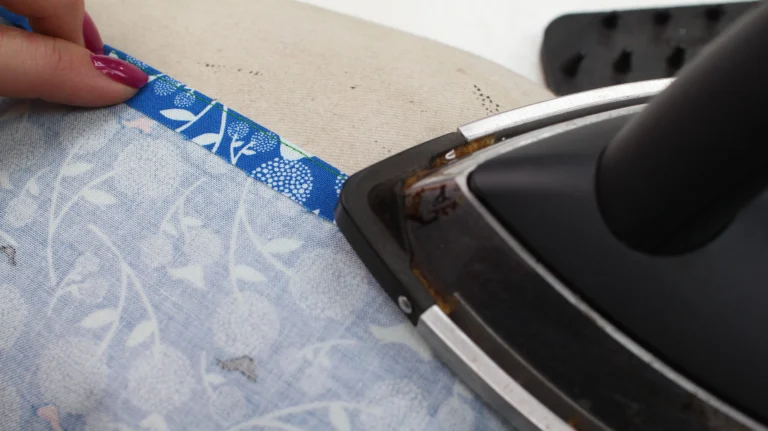
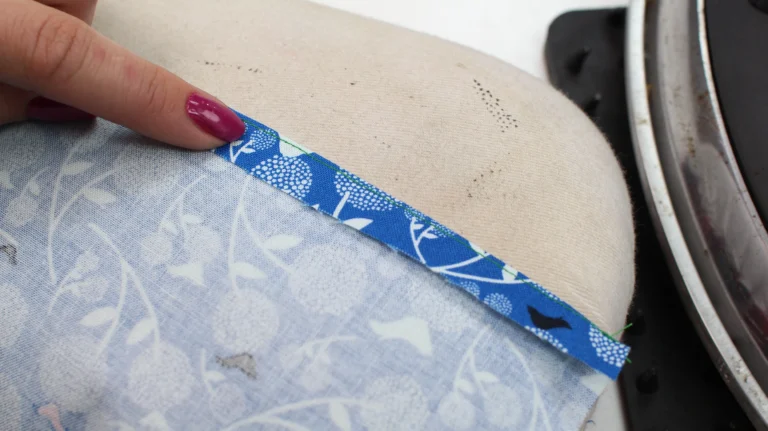
Step 3: Stitch Along the Fold
Using the sewing machine, stitch directly on top of the previous stitching line.
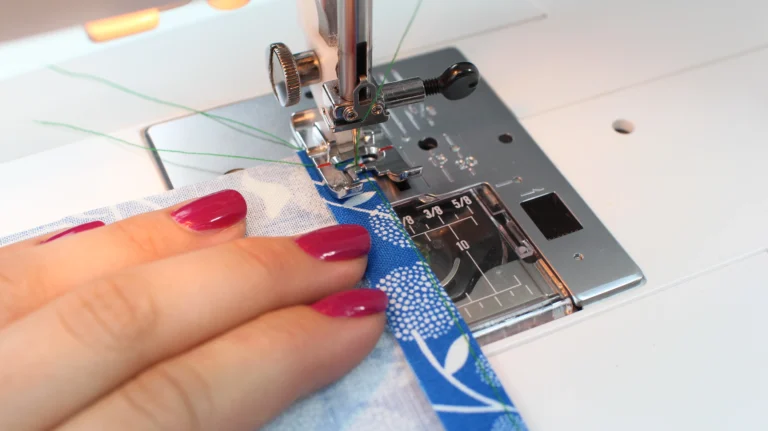
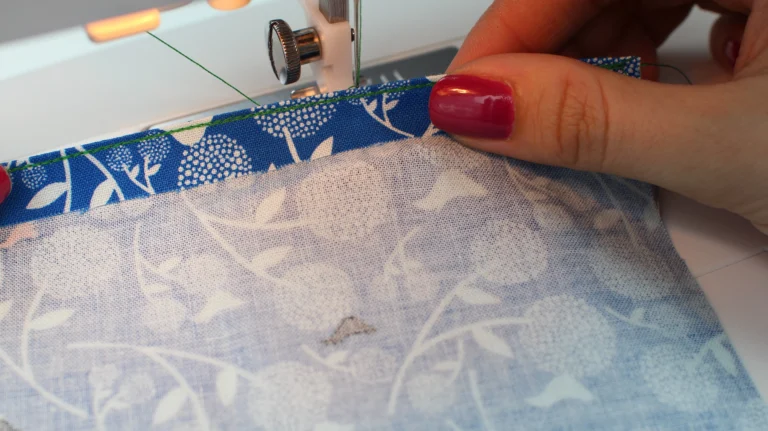
This step is excellent practice for improving sewing accuracy.
Press the stitching flat again to set the seam.
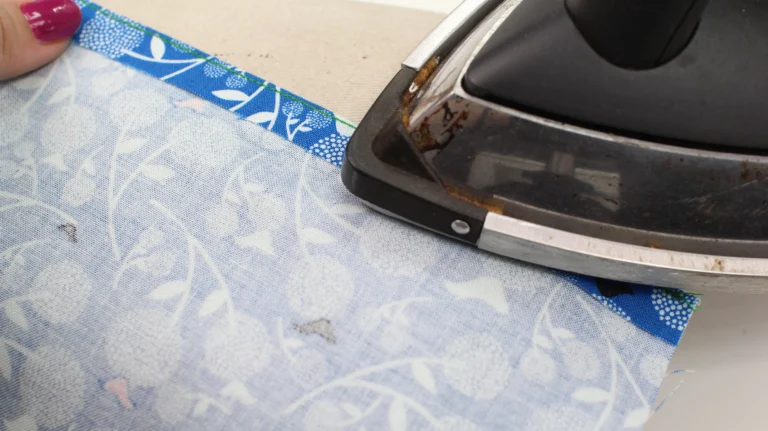
Tip: If required you can skip Step 1 & 2 and start with Step 3. I would recommend completing Step 1 & 2 if you are a beginner.
Step 4: Trim the Seam Allowance
Carefully trim away the remaining hem allowance as close to the stitching as possible, around 1/8” (2 mm).
Take your time here, as accuracy makes a big difference to the final finish.
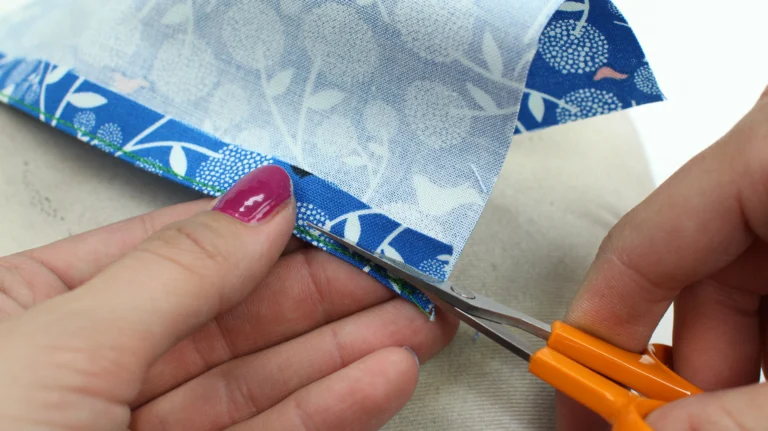
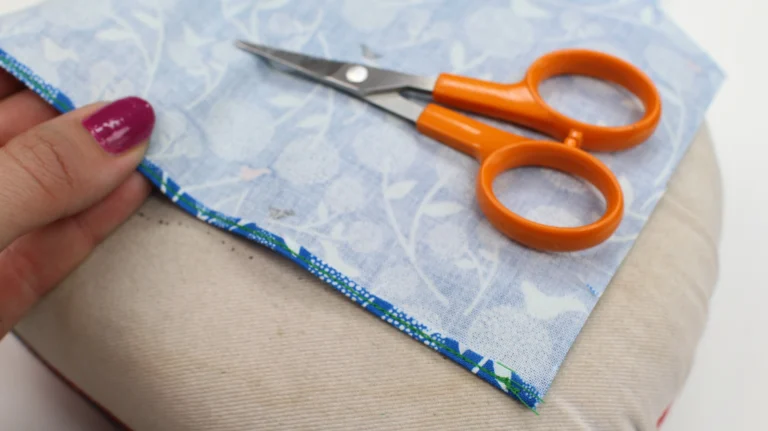
Step 5: Roll and Stitch the Hem
Turn the narrow hem once more towards the wrong side of the garment, enclosing the raw edge completely. Press into position.
Stitch directly on top of the previous stitching line again to secure the rolled hem.
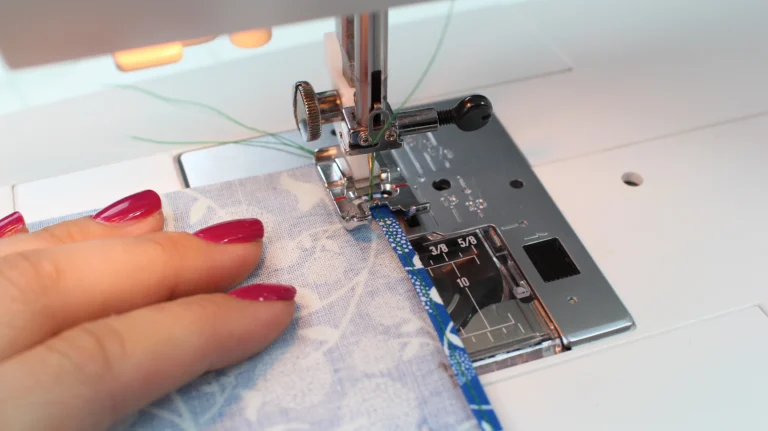
Although this method involves multiple rows of stitching, and can be time-consuming on garments with long hems or full skirts, the result is a beautifully neat, professional rolled hem.
You’ll notice that while there are two lines of stitching on the wrong side of the garment, the rolled hem fully encloses the raw edges and leaves a single, clean line of stitching on the right side.
For more tips on working with silk and lightweight fabrics, read this blog post: Sewing with silk and slippy fabrics
The rolled hem technique works well on curved edges such as circular skirt hems and shirt tails.
When pressing on a curve, work slowly and ease the fabric rather than stretching it. For very curved edges, you may find it helpful to snip into the hem allowance at small intervals before pressing to help the fabric lie flat.
If you are working on a very fine or slippery curved fabric, the tissue paper technique is particularly useful for keeping the fabric stable as you sew.
Can I sew a rolled hem without a special foot?
Yes, you can sew a rolled hem without a rolled hem foot by using a double-fold technique, as shown above.
What fabrics are best for a rolled hem?
Rolled hems work best on lightweight fabrics such as silk, chiffon, georgette and fine cotton.
Why is my rolled hem puckering?
Puckering can be caused by incorrect tension, the wrong needle size, or stretching the fabric while sewing.
What is the difference between a rolled hem and a baby hem? A rolled hem and a baby hem are the same technique – both create a narrow double-folded hem that encloses the raw edge. The term ‘baby hem’ is often used specifically when working with very fine, slippery, or tricky fabrics such as silk charmeuse or silk georgette, where additional techniques like tissue paper are needed throughout the process. If you are working with these types of fabrics, read my baby hem tutorial for specialist guidance.
Can I sew a rolled hem on a curve? Yes – the rolled hem works well on curved edges. Work slowly, press carefully without stretching the fabric, and use tissue paper underneath if your fabric is slippery.