Choosing the correct sewing machine needle size is just as important as choosing the right needle type. The needle must match the weight of your fabric, otherwise you may experience issues such as skipped stitches, puckering, or even needle breakage.
This guide explains which size needle to choose for lightweight, medium, and heavyweight fabrics, and how to know when you need to adjust up or down.

For most standard sewing projects, a Universal Needle in:
80/12
90/14
…will be the correct size.
The numbers refer to two sizing systems:
The first (80, 90) is the metric size.
The second (12, 14) is the imperial size.
Most brands show both on the packaging.
→ 80/12
Suitable for: medium-weight fabrics
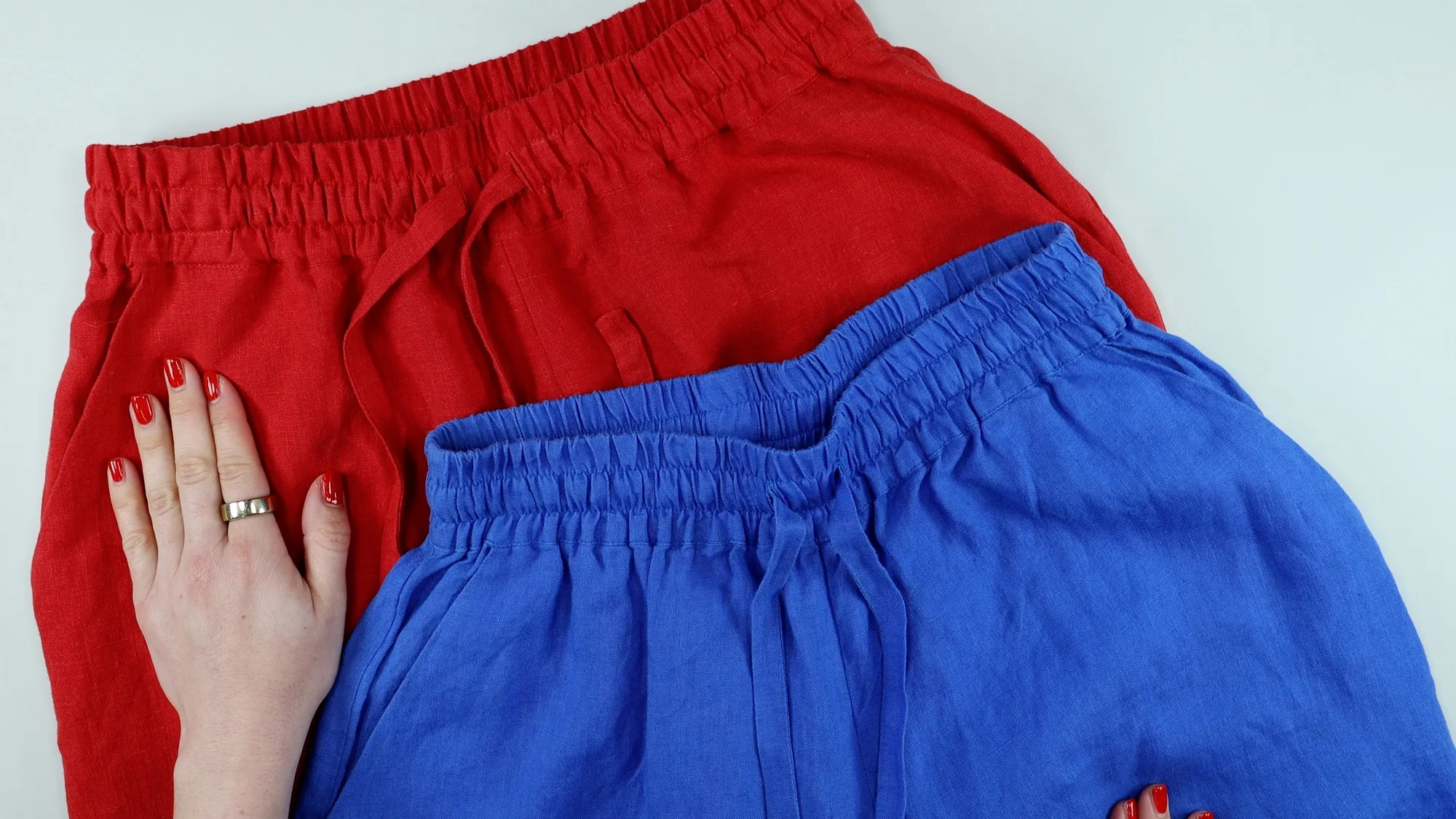
Examples: cotton, poly cotton, linen, broadcloth
→ 90/14
Suitable for: medium-to-slightly heavier fabrics
Examples: heavier cottons, polyester blends, linen, lightweight upholstery
If in doubt, choose 80/12, it’s the most widely used everyday needle size.
Lightweight and delicate fabrics need a smaller needle so the needle doesn’t leave large holes, snag the fibres, or cause puckering.
Choose:
75/11
70/10
65/9
60/8
These sizes are best for:
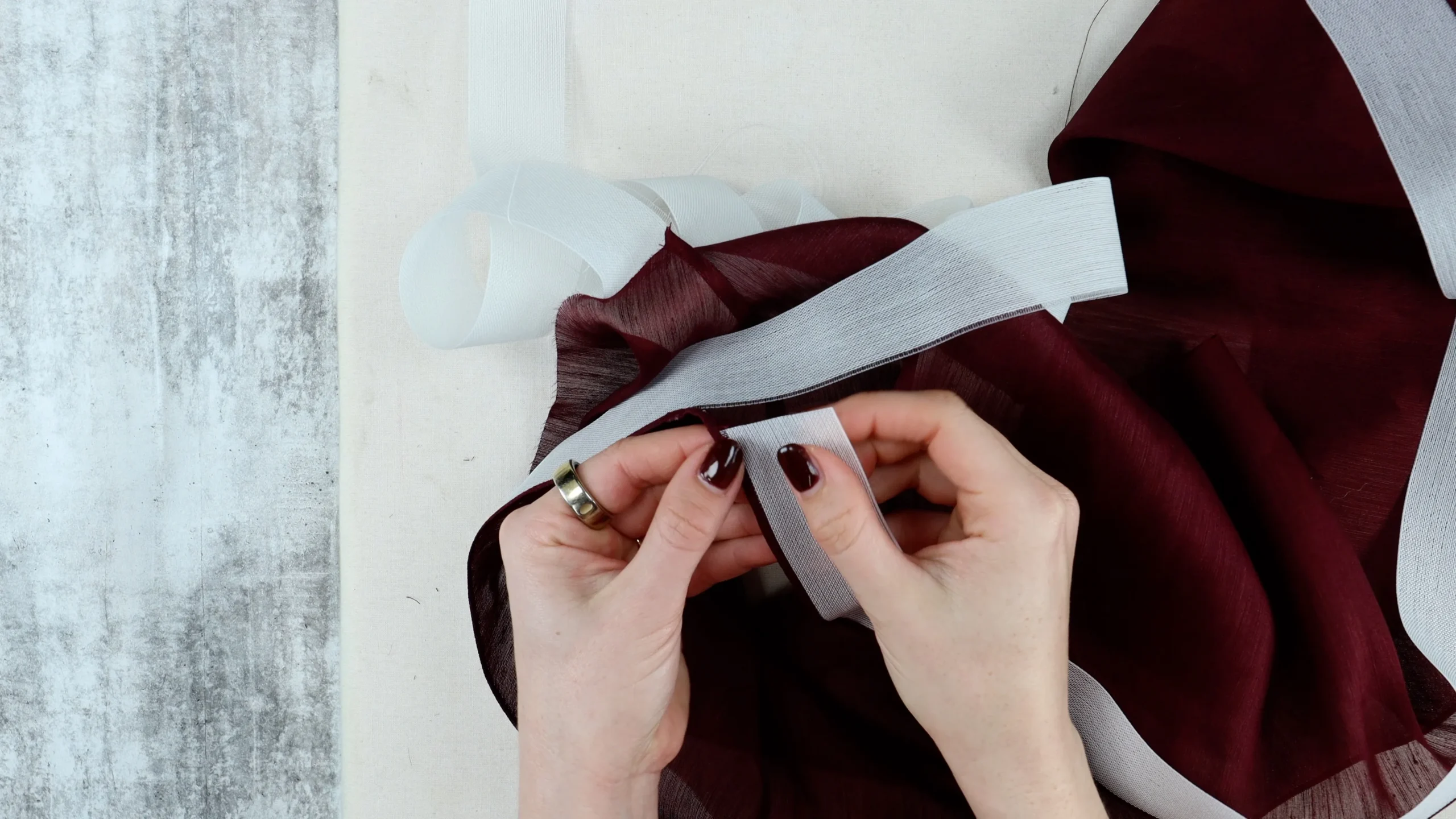
Silk (chiffon, organza, crepe de chine)
Cotton voile
Lightweight rayon
Fine polyester crepe
Delicate linings
Do I need a smaller needle?
A clear sign your needle is too large:
Puckering around the seam
Small gathers forming as you sew
Snags or pulls in the fabric
Visible needle holes
If this happens:
Switch to a smaller size, or
Replace the needle with a fresh sharp needle, as a blunt needle can also cause puckering.
Thick, sturdy fabrics require a larger needle with enough strength to penetrate the layers without bending or breaking.
Choose:
100/16
110/18
120/20
Suitable for:
Denim
Canvas
Thick twill
Upholstery fabrics
Heavy coatings
Multi-layer sewing
Do I need a larger needle?
If your needle is too small, you’ll likely experience:
Needle breakage
Difficulty feeding fabric
Stitches looking uneven due to deflection
The solution is simple: move up one or two needle sizes.
There are two common problems:
1. The needle breaks
This usually means the needle was too small for the fabric thickness.
Switch to a larger size before continuing.
2. The fabric puckers or snags
This usually means the needle is too large, or the needle is blunt.
Switch to a smaller size, or replace with a fresh needle.
When in doubt, test on a scrap of your fabric before starting sewing.
60/8 – 65/9 → Very lightweight fabrics | silks
70/10 – 75/11 → Lightweight fabrics
80/12 → Medium-weight fabrics
90/14 → Medium-to-slightly heavier fabrics
100/16 → Heavyweight fabrics
110/18 → Upholstery fabrics
120/20 → Very heavy fabrics
Keep this guide handy whenever you start a new project.
Once you’ve chosen the correct needle type and size, always test it on a small scrap of your fabric to check:
Stitch quality
Tension
Thread performance
If the fabric puckers or drags
Testing avoids surprises and helps ensure you get a clean, professional result.
This is one of the most frequently asked questions. The general rule from needle manufacturers is:
Replace your needle every new project or every 6–8 hours of sewing.
However, in reality it can be difficult to track sewing hours, especially when switching between needle types and projects.
→ My personal recommendation:
Use a fresh needle at the start of an important project
Always use a new needle for lightweight or delicate fabrics
If you notice issues (puckering, uneven stitches, skipped stitches), change it immediately
If you’re unsure, remove the needle and check the tip
Lay the needle on a flat surface, if it doesn’t sit perfectly flat, it’s bent and must be replaced
A sharp, straight needle is essential for clean, accurate sewing.
Hopefully you now feel confident choosing the correct needle type and size for your fabric. Understanding how needle size affects stitch quality will dramatically improve your sewing results and help you avoid unnecessary frustration.
If you haven’t already read it, you may also like:
→ What Sewing Machine Needle Should I Use?
→ Buy on Amazon